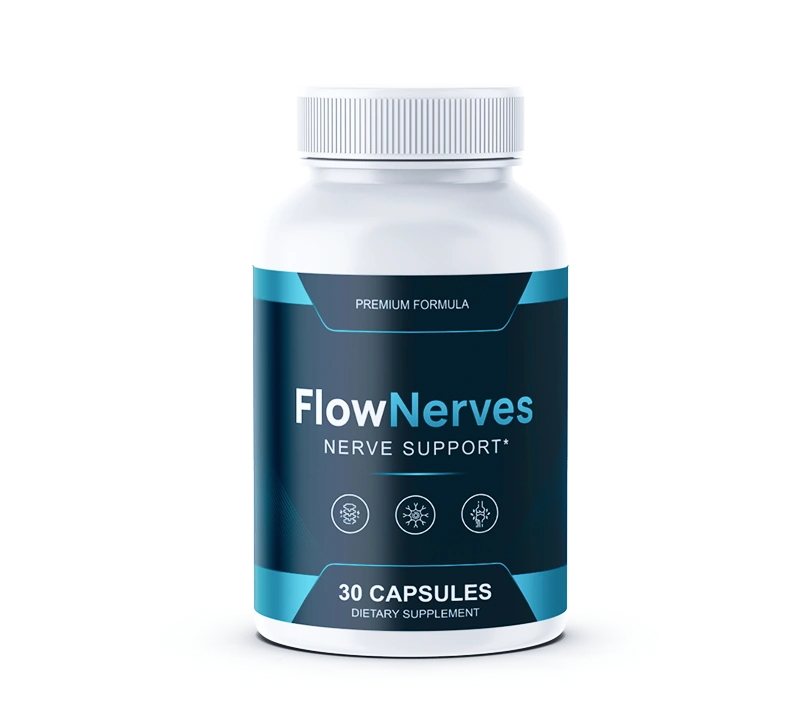
What is known about FlowNerves safety
An ingredient safety resource can tell you which questions to raise. It cannot tell you the exact chance of a reaction to FlowNerves. That would require dependable information about the finished product, its doses, the people taking it, and how reactions were measured. No such product-specific rate is established in this guide.
This distinction matters in both directions. An ingredient warning is not proof that every user will have a problem. A lack of verified complaint data is also not proof that nobody has a problem. Keep the language precise: there are known ingredient considerations, while the frequency and severity of reactions to this particular combination are not established.
You can make a better decision without guessing a percentage. Read the full label, compare it with your existing routine, and ask a pharmacist about anything that applies to you. Those checks are more useful than choosing between two unsupported slogans such as “completely safe” and “dangerous for everyone.”
Digestive changes are worth taking seriously
NIH identifies diarrhea, nausea, and abdominal cramping as possible effects of high supplemental magnesium intake. NCCIH also lists digestive effects for oral turmeric, while CoQ10 can cause digestive upset. These are ingredient-level observations, not a prediction that FlowNerves will cause all of them or an estimate of how often they occur.
If your stomach feels different after starting a supplement, write down when you took it, when the symptoms began, and what else changed that day. Keep the bottle available so a healthcare professional can read the formula. Do not treat an uncomfortable reaction as proof that the product is “working” or clearing something out.
The FlowNerves directions specify one capsule with a meal and water. Following those directions does not guarantee that a reaction cannot happen. If symptoms are persistent, severe, or concerning, stop the supplement and seek medical advice. Do not keep increasing food intake, adding remedies, or changing doses in an attempt to force a product to suit you.
Magnesium requires a kidney and medicine check
The NIH magnesium resource explains that impaired kidney function can raise the risk from excess magnesium. It also describes interactions involving certain antibiotics and oral bisphosphonates. If either issue applies to you, ask a pharmacist to review the supplement before use rather than creating your own timing plan.
Bring a complete list. The relevant magnesium may come from more than one product, including another mineral capsule or a medicine. A review that looks at only the new bottle can miss the rest of your intake. Photograph labels or bring the containers if that is easier than copying every ingredient by hand.
If you need an antibiotic or a new prescription after you have already started FlowNerves, mention the supplement when the prescription is dispensed. A plan that was acceptable before a medication change may need to be reviewed. Do not assume that taking everything at separate meals automatically solves every possible interaction.
CoQ10 and prescription medicines
According to NCCIH’s CoQ10 guidance, CoQ10 may interact with warfarin and insulin and may not be compatible with some cancer treatments. The same resource notes possible mild effects such as insomnia. A pharmacist or treating clinician should assess these issues using the actual formula and your medicines.
The action for a buyer is straightforward: ask before adding the supplement. Do not stop a prescribed treatment, alter its amount, or change monitoring arrangements because you have chosen a supplement. The supplement is the optional addition being assessed; the online product page is not a replacement for your treatment instructions.
When asking about compatibility, give the medicine name, strength, and how often you take it. “I take a blood thinner” can leave important details unclear. A photograph of the FlowNerves label also helps prevent confusion with a different nerve-support product. Similar product names do not mean identical ingredients.
Turmeric safety is different from using spice in food
The NCCIH turmeric fact sheet discusses liver injury reports associated with some enhanced-bioavailability formulations. It also warns that turmeric supplements during pregnancy may be unsafe. These points do not establish that FlowNerves has caused liver injury; they are reasons to check the exact preparation and personal suitability.
FlowNerves lists a concentrated extract with 95% curcuminoids. That label description should not be treated as equivalent to seasoning a meal. Before use, read the entire panel and ask about any part of the extract description that is unclear. A concentration percentage alone does not reveal the amount supplied per capsule.
Do not assume a familiar food ingredient has no meaningful supplement questions. The amount, preparation, other ingredients, and your own situation all affect the decision. If you have a history of liver problems or another reason for concern, bring that up during the review instead of waiting to see whether symptoms develop.
L-carnitine and individual health history
The NIH carnitine fact sheet describes digestive effects at larger supplemental doses and notes concerns in people with seizure disorders. The individual L-carnitine dose in the FlowNerves blend is not established here. Do not use a study dose or a warning threshold as an estimate of the amount in this bottle.
A relevant medical history belongs in the discussion even when a product is available without a prescription. Tell your clinician about previous reactions to supplements and any condition that affects your medicine plan. You do not need to decide which ingredient is responsible before asking whether the combination is appropriate.
Also distinguish L-carnitine from acetyl-L-carnitine when showing the formula to someone. The full name prevents a conversation based on a different preparation. If you have used another carnitine supplement before, that experience can be useful background, but it does not establish how you will tolerate every product containing a related ingredient.
Botanical extracts and undisclosed quantities
Butcher’s broom is another part of the FlowNerves formula. A missing detailed dose or extract specification leaves less information for a safety assessment. That is a reason to request the label, not a reason to invent a danger or to presume the ingredient is irrelevant because it appears in a blend.
Ask the seller for the botanical name, plant part, extract information, and any additional specifications available. Then show the response to the professional reviewing your medicines. If the answer does not clarify the question, say so. A list of ingredient benefits is not the same as an answer about an extract’s identity and amount.
The blend also creates a practical problem if a reaction occurs: six ingredients started at once can be harder to untangle than one new ingredient. Do not attempt a series of self-directed stop-and-restart experiments to identify a culprit after a significant reaction. Get appropriate advice and keep the original bottle and records.
Allergies and the complete capsule label
An allergy check must include more than the ingredients highlighted in large print. Read the Other Ingredients list, capsule materials, allergen statements, and any warnings. The FDA supplement questions and answers describes the information found on supplement labels. A bottle-front image cannot replace a readable view of the full panel.
If a particular allergen matters to you and the label is unclear, ask the seller directly before ordering. Do not interpret silence as confirmation of absence. The same applies to dietary requirements: an ingredient list that looks plant-based does not establish the capsule material or certify how the product was made.
Keep a record of the exact answer and make sure it applies to the product you receive. Formulas and packaging can change. If a new bottle looks different, compare the label before using it rather than assuming a previous answer still covers everything. Your own label is the practical reference for the bottle in your hand.
Pregnancy, breastfeeding, children, and planned procedures
This guide does not establish an appropriate dose for children, pregnancy, or breastfeeding. Do not adapt an adult capsule routine by guessing a smaller amount or changing how often it is taken. If you are considering the product in one of these situations, obtain individual professional advice before use.
If you have a planned procedure, tell the clinical team about all supplements when they review your medicines. Bring the label and ask what to do with this specific product. A general online recommendation to stop supplements for a fixed number of days is not a substitute for the instructions relevant to your procedure and treatment.
Buying several bottles in advance should not create pressure to use them after your circumstances change. A new medicine, pregnancy, a diagnosis, or a planned procedure is a reason to reassess an optional supplement. The package price and unused stock do not determine whether continuing the product is sensible for you.
Recognize a reaction without trying to diagnose it yourself
If a new symptom appears, avoid deciding immediately that it is definitely caused by FlowNerves or definitely unrelated. Timing can help a professional assess a situation, but timing alone does not establish cause. Record what happened and what you took, then seek the level of care the symptoms require.
Trouble breathing, swelling of the mouth or throat, collapse, or severe chest symptoms require urgent medical help. Do not wait for a retailer to reply or for a refund request to be processed. Health care comes first. The FDA guide to supplement problem reporting explains that suspected serious reactions should prompt stopping the product and reporting the event.
For less urgent concerns, contact a healthcare professional with the bottle, serving information, symptom timing, and medicine list. Avoid adding another supplement to counteract an unexplained reaction. That can make the situation harder to understand and may introduce another ingredient that also needs assessment.
Keep useful records if something goes wrong
A clear record starts with the product name, lot or batch information, expiration date, purchase receipt, and photographs of the label. Add the date you started, the amount taken, and any recent changes in medicines or other products. These details can help both a healthcare professional and the seller understand which bottle is involved.
When describing symptoms, use ordinary observations rather than a diagnosis you found online. “I developed nausea two hours after the capsule” gives different information from “the product poisoned me.” State what happened, how long it lasted, and whether you sought care. If you do not know a detail, leave it unknown rather than filling it in.
You can report a suspected adverse event even when you are not certain of the cause. The FDA reporting page provides the route for US consumers. A report helps collect information; it is not a medical assessment and does not replace care. Keep a copy of what you submit for your own records.
Safety questions belong before the package decision
FlowNerves comes in two-, three-, and six-bottle packages, but the quantity does not answer whether the formula suits you. Start with ingredient compatibility, dose disclosure, and the other ingredients. Only after those questions are resolved should you compare the upfront spend and supply length.
The listed totals are $158 for two bottles, $207 for three, and $294 for six. The three- and six-bottle offers list free US shipping. A lower bottle price can be attractive, but it is not a reason to overlook an unanswered safety question or assume you must take the product for six months.
The 60-day satisfaction guarantee starts at purchase. It is a refund term, not a safety certification or a promise that the product will suit every user. Keep the receipt and read the return instructions, while remembering that a health concern should be handled on its own urgency rather than according to a commercial deadline.
Make the first conversation specific
A useful safety question names the product, the six ingredients, the information that is missing, and the medicines or conditions that apply to you. Ask, “Can you review this full label with my medicine list, and is there anything else you need to know before I use it?” This gives a pharmacist or clinician a concrete starting point without asking them to endorse an online sales claim.
Be ready to explain previous supplement reactions, even if you never established which ingredient caused them. Include when the reaction happened and whether you received care. If a professional advises against the product or asks for more information first, do not treat a large package already purchased as a reason to ignore that advice. Contact the seller about the order separately.
If the bottle arrives with an unreadable label, damaged seal, or a product identity you cannot confirm, pause before use and contact the seller. Keep photographs of what arrived. A purchase receipt identifies the transaction, but it cannot resolve a question about the actual contents or condition of a bottle.
SOURCES & FURTHER READING
Check the original information.
- NIH: Magnesium safety and interactions ↗
- NIH: Carnitine safety ↗
- NCCIH: Turmeric safety ↗
- NCCIH: CoQ10 safety ↗
- FDA: Supplement labels ↗
- FDA: Reporting a supplement problem ↗
Ingredient studies and general consumer guidance do not establish the effectiveness of the finished FlowNerves formula. Product prices and terms must be confirmed with the seller.