The suggested serving, in plain language
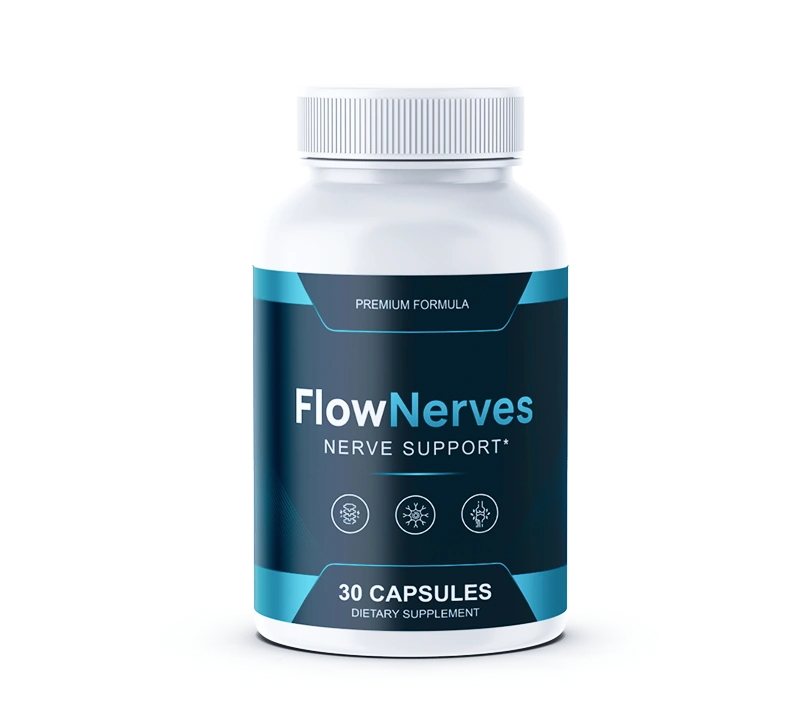
FlowNerves is presented as a once-daily capsule product. The suggested routine is one capsule with a meal and water. There is no established reason in this guide to take extra capsules, divide an invented loading dose across the day, or copy a serving schedule from a different nerve-support brand.
Use the actual bottle as your reference. Before the first serving, read the directions, serving size, warnings, and Other Ingredients list. Make sure you have the product you intended to order. A saved bookmark or a remembered instruction is less useful than checking the label on the bottle in front of you.
If the bottle directions differ from the wording you saw online, do not improvise a compromise. Ask the seller to explain the difference and confirm which instructions apply to your batch. If the difference affects a medicine or medical condition, have a pharmacist or clinician review it before you start.
Serving size is not the same as an ingredient dose
One capsule tells you how much of the finished product the directions call for. It does not reveal the amount of every ingredient inside it. FlowNerves contains six named ingredients, with individual proprietary-blend quantities not clearly established in the product information reviewed here. Keep the capsule serving and ingredient amounts separate in your notes.
The FDA supplement labeling guide explains serving size and amounts per serving. Those headings help you read a label consistently. When comparing products, check whether an amount refers to one capsule, two capsules, or the entire recommended serving. A similar-looking number can describe a different routine.
Do not use the total blend weight to guess the amount of each component. Dividing a blend by six assumes equal ingredient proportions, which a six-ingredient list does not establish. Nor can the size of the capsule or the appearance of its contents supply the missing information. Ask for quantities if they matter to your decision.
Build the reminder around an existing meal
A daily habit is easier to remember when it is attached to something that already happens. If the label and your professional advice allow the routine, choose a meal that is usually predictable for you. The useful question is which reminder you will notice consistently, not which time sounds most impressive in a review.
For example, you might keep a written reminder beside the breakfast items you use each morning while storing the bottle according to its instructions. Another person may find lunch more dependable because their mornings vary. The meal reminder should fit the label and your other medicines rather than displacing either.
If your schedule changes from day to day, use a phone reminder that refers to the meal rather than assuming every day follows a fixed clock time. Keep the message simple: product name, one capsule, and a prompt to check your record. Avoid reminders that encourage you to take another capsule merely because the notification reappears.
Keep a record that prevents accidental duplication
A small tick on a calendar can be enough. Record the date and whether you took the capsule. A phone note can work too, provided you update it when you take the serving rather than later from memory. The aim is to answer a basic question clearly: have I already taken today’s capsule?
This can be particularly useful when two people in a household keep similar bottles or when your morning is interrupted. Give each person their own record and keep the product clearly identified. Do not rely on a bottle being moved from one side of a counter to the other if someone else might put it away.
A routine should reduce confusion rather than add administration. You do not need an elaborate tracking system or a spreadsheet. Choose one record you will actually use. If you repeatedly cannot remember whether you took a serving, revise the reminder before the uncertainty becomes an excuse to take another capsule.
What to do about a missed or uncertain serving
This guide does not establish a product-specific missed-dose protocol. Check the bottle for instructions and ask the seller or a pharmacist if the label does not address your question. Do not invent a catch-up schedule or assume that two capsules the next day make the routine equivalent.
If you are unsure whether you have already taken a capsule, do not solve the uncertainty by automatically taking another. Check your record and seek advice if necessary. The more useful long-term change is a clearer daily reminder, not a habit of guessing. A supplement routine should stay within its stated directions.
If you think you have taken more than directed and feel unwell, seek appropriate medical advice promptly. Keep the bottle available and state the amount and timing as accurately as you can. Do not wait for a routine customer-service reply when the question concerns a possible excessive intake or a concerning reaction.
Do not change the serving to imitate research
Ingredient studies use defined preparations, amounts, and participant groups. That does not make their doses a set of instructions for a multi-ingredient retail capsule. Taking more FlowNerves would increase the entire formula, including the other ingredients, without solving the missing information about each individual quantity.
This is especially relevant when reading a study about alpha-lipoic acid or a different form of carnitine. A review may discuss a defined single-ingredient intervention while the product you own contains a blend. The research schedule cannot simply be transferred to your bottle because one ingredient name overlaps.
If you want an assessment of whether a specific ingredient or amount is appropriate, ask a qualified professional using your label and health history. Do not open several capsules, estimate powder fractions, or combine extra single-ingredient products to construct a regimen from online research. That becomes a different routine with different questions.
Review medicines before choosing a time of day
Timing matters when supplements and medicines are used together, but one universal timetable cannot cover every prescription. The NIH magnesium fact sheet identifies interactions with certain antibiotics and oral bisphosphonates. Ask a pharmacist how your exact medicine instructions affect the decision to use this formula.
Show the whole list, including medicines you take only occasionally and other supplements. Use the actual names and strengths where possible. A pharmacist can then tell you whether the product is suitable, whether timing needs attention, or whether a different choice is needed. Merely saying you take “a few tablets” leaves too much unclear.
If you receive a new prescription, revisit the routine. Do not assume that advice given before the new medicine was added covers it automatically. The same applies if a medicine dose changes or you stop a treatment. Your supplement reminder should follow the reviewed plan rather than become a fixed rule that ignores changes in care.
Count overlapping supplements, not just capsules
People often compare product names when the more useful comparison is ingredient overlap. A multivitamin, a mineral blend, and a nerve-support capsule may contain some of the same ingredients. Write down the amounts that are disclosed and flag any that are not. Unknown blend quantities remain unknown even when the bottle price is clear.
The FDA supplement questions and answers explains that labels identify ingredients and serving information. Use those details when discussing the combination with a healthcare professional. Bring the containers if you find the units or form names difficult to copy accurately.
Avoid adding a second nerve-support formula simply because it uses different branding. It may duplicate ingredients you already take. Equally, do not assume two products are interchangeable because they share one mineral. Their other components and serving amounts can differ. Compare the full routine before changing it.
Storage and travel: keep the instructions with the product
Follow the storage directions printed on your bottle and check the expiration date. The date and lot information help identify the product if you later need to ask a question. If the label becomes damaged or difficult to read, keep a clear photograph rather than relying on your memory of its directions.
For travel, keep the product identifiable and follow the applicable transport rules. Avoid mixing several products in an unmarked container that leaves you unable to tell which capsule is which. If you use an organizer, retain the original bottle and label information so you can check the contents and instructions when needed.
If you are uncertain whether a bottle has been stored appropriately, ask the seller or a pharmacist rather than judging only by appearance. A capsule looking normal does not answer every storage question. Do not use a product past its stated expiration based on a general claim that supplements last indefinitely.
Calculate bottle supply from the daily directions
At one capsule daily, a 30-capsule FlowNerves bottle provides 30 days of supply. Two bottles provide 60 capsules and 60 days. Three provide 90 capsules and 90 days. Six provide 180 capsules and 180 days. These are supply calculations, not a recommended treatment duration or a prediction of results.
If you want to estimate when you would need another bottle, count from the date you actually begin. Delivery time and days before opening a bottle are not days of use. Keep the calculation separate from a calendar month, since months can contain different numbers of days. Thirty servings always means thirty servings at the stated routine.
A longer supply can lower the listed bottle price, but it also means storing more bottles and paying more at the start. Check expiration information and your budget before selecting a large package. The quantity that fits a discount is not automatically the quantity that fits your circumstances.
Separate supply length from the guarantee period
The listed two-bottle offer totals $158, the three-bottle offer totals $207, and the six-bottle offer totals $294. Three- and six-bottle packages list free US shipping. At the daily serving, those packages last 60, 90, and 180 days respectively. Check the seller’s current checkout for the final price and terms.
The satisfaction guarantee is described as 60 days from the original purchase date. That clock is different from the supply count. In particular, a six-bottle order does not create a 180-day guarantee. Do not assume you can finish the entire package and then request a return under the same stated period.
Keep the purchase date, delivery date, and start date distinct in your records. Read the refund instructions before buying and contact the seller within the relevant period if you need to make a request. A commercial guarantee should never be interpreted as an instruction to keep taking a supplement that does not suit you.
Monitor your experience without inventing a deadline
There is no verified finished-product trial presented here that establishes a reliable time to results from FlowNerves. Do not convert the package sizes into promises that you should notice a change by day 30, day 60, or day 180. A supply duration is simply the number of daily servings you purchased.
If you choose to keep a record, describe ordinary observations and any other changes in your routine. Note whether medicines, activity, sleep, or other products changed too. This helps prevent an automatic conclusion that every improvement or setback was caused by the new supplement. A personal record can inform a discussion, but it is not a controlled study.
Continue to seek appropriate care for persistent or worsening symptoms. The daily capsule reminder should not become a reason to postpone an assessment. If questions about the serving, the label, or compatibility remain unresolved, settle those first. A clear routine starts with clear instructions and a formula that has been reviewed for your own situation.
Keep instructions accessible to anyone helping you
If someone helps organize your medicines and supplements, make sure they have the same current instructions and know which bottle you use. A shared routine works best when there is one clear record. Agree who marks the serving as taken and avoid maintaining two separate records that can contradict each other.
Keep the seller’s contact details with the original label photograph in case a direction needs clarification. When asking a question, include the exact product name and relevant batch information rather than a photograph of a similar bottle found online. This small amount of preparation can prevent an answer about a different product or older label from becoming part of your daily routine.
When a replacement order arrives, check the directions again before putting the new bottle into your established routine. Compare the serving size, capsule count, and ingredient list. Keeping the same product name does not remove the need to read the current label and clarify any differences that affect your daily plan.
SOURCES & FURTHER READING
Check the original information.
- FDA: Supplement serving size and labeling ↗
- FDA: Supplement questions and answers ↗
- NIH: Magnesium and medication interactions ↗
Ingredient studies and general consumer guidance do not establish the effectiveness of the finished FlowNerves formula. Product prices and terms must be confirmed with the seller.